
Abbey Road Studios announced his death on Tuesday.
“Phil was a highly skilled, deeply trusted, and much-loved engineer who started working here in 1964 at the age of eighteen,” the statement said.
McDonald started working at Abbey Road in the tape library before working in the cutting rooms. He then made the transition to tape op before becoming a balance engineer.
He first worked with the group on the single “Yesterday.” McDonald continued to work with the group as they recorded Revolver, Sgt. Pepper’s Lonely Hearts Club Band and The Beatles (a.k.a. “The White Album”).
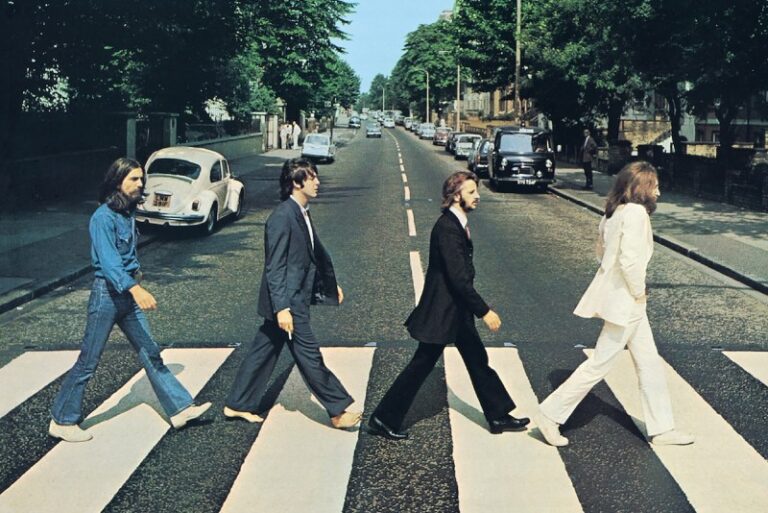
He worked on nearly every track made for the album Abbey Road in 1969, either alone or with Geoff Emerick. The duo won the Grammy Award for Best Engineered Recording – Non-Classical in 1970 for the album.
McDonald transitioned to Apple Records in 1971, staying there until at least 1974.
Abbey Road noted in its death announcement, “Phil’s philosophy was always to get as close as possible to recording the true sound he heard in the studio.”
He maintained a working relationship with all four Beatles after the band’s breakup. He engineered Paul McCartney’s McCartney, John Lennon’s John Lennon/Plastic Ono Band and Imagine, and Ringo Starr’s Sentimental Journey. McDonald also engineered George Harrison’s All Things Must Pass.
Other albums he worked on include Deep Purple In Rock, Layla and Other Assorted Love Songs, Living In The Material World, A Little Touch of Schmilsson in the Night, Traveling Wilburys Vol.1. He worked with artists including Deep Purple, Eric Clapton, Squeeze, and Roy Orbison.
He is survived by his wife, Sandra.